Diving Spots in Le Morne: The Ultimate Guide to Underwater Exploration in Mauritius
Diving in Mauritius: Why Le Morne Belongs on Your Bucket List
When people talk about diving Mauritius, Le Morne quietly sits at the top of the list for those in the know. Fringed by a turquoise lagoon and protected by a barrier reef, this southwest corner of the island offers dramatic drop-offs, coral gardens, caves, and pelagic encounters—often within a short boat ride from shore.
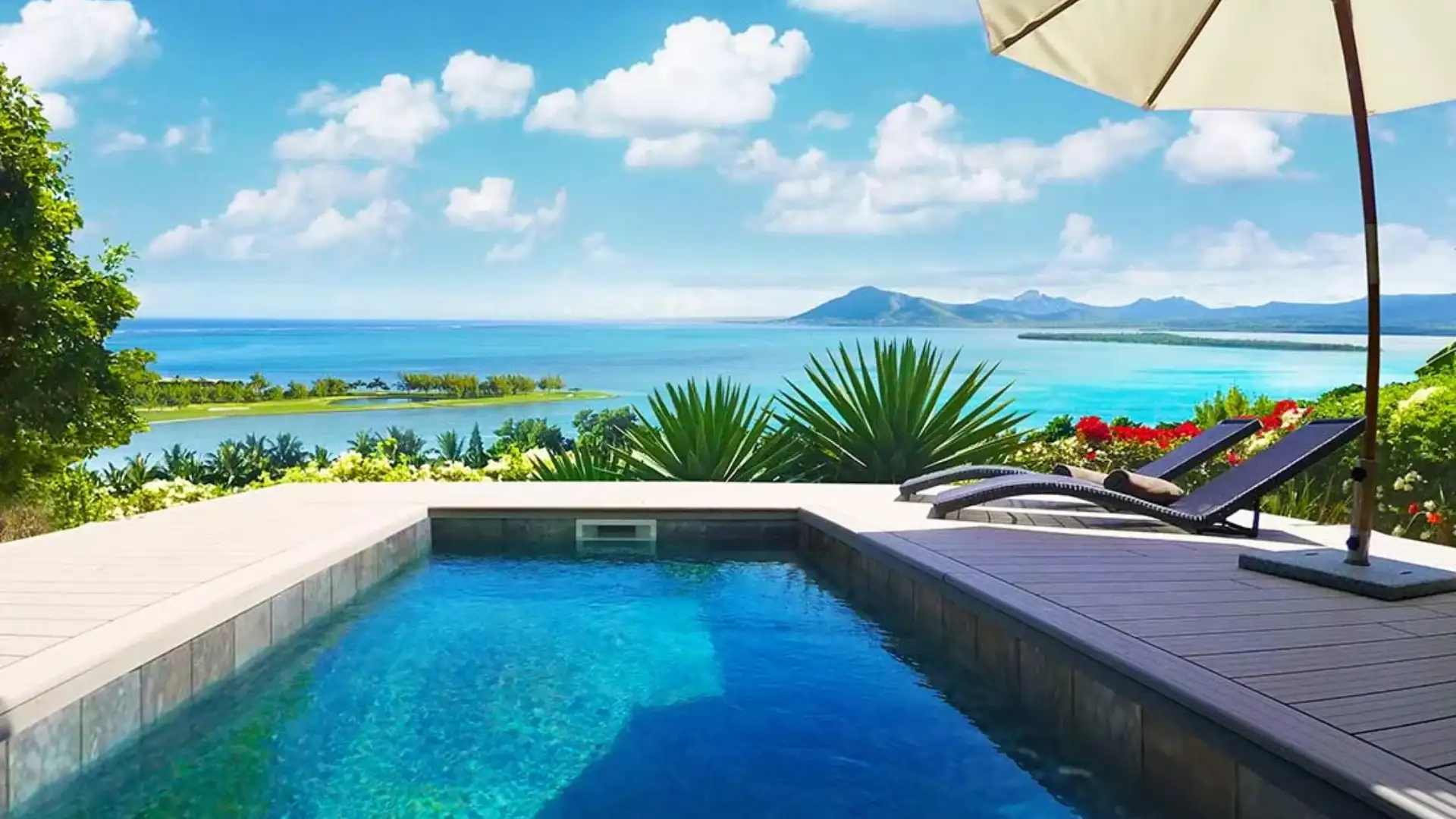
While many travelers automatically search for a hotel Le Morne or a big resort Le Morne when planning their trip, divers often want something different: early starts, flexible schedules, a place to rinse and dry gear, and somewhere peaceful to return to after a long day under water. That’s where private villas like Kozy Le Morne come into their own—offering freedom, privacy, and a 180° panoramic lagoon view you simply won’t find in typical hotels in Le Morne.
Overview: The Le Morne Dive Area
Le Morne sits at the tip of a peninsula on Mauritius’ southwest coast. On one side: a calm, shallow lagoon ideal for beginners. Beyond the reef: deeper sites with walls, canyons, and pinnacles that keep experienced divers coming back.
Conditions & Season
- Best visibility: April to December (often 20–30 m, sometimes more).
- Water temperature: Around 26–28°C in summer (Nov–Apr), 23–25°C in winter (May–Oct) – a 3 mm wetsuit is usually enough.
- Weather: The southwest gets a pleasant breeze; winter brings slightly rougher seas outside the lagoon, but also excellent visibility.
- Experience levels: From first-time try dives in the lagoon to advanced drift dives beyond the reef.
Most local dive centers offer morning two-tank dives, with the boat ride usually between 10 and 25 minutes depending on the site.
Top Diving Spots Around Le Morne
1. The Cathedral – Le Morne’s Iconic Dive
If there is one site that defines scuba Le Morne, it’s The Cathedral. This dramatic formation of caverns and overhangs creates the impression of swimming through a submerged cathedral, with beams of sunlight slicing through the water when the sun is high.
- Depth: ~18–30 m
- Level: Advanced Open Water recommended (or at least very comfortable at depth)
- Highlights: Swim-throughs, volcanic rock formations, schooling fish, ambient light shows
You’ll often see big parrotfish, batfish, and sometimes eagle rays gliding past the openings. It’s a must-do for confident divers who enjoy a bit of underwater exploration in a truly cinematic setting.
2. La Passe de Belle Ombre – Drift and Pelagics
East of Le Morne, the Belle Ombre pass channels ocean water into the lagoon, creating a natural highway for marine life. On the right day, this can be one of the most exhilarating dives in the area.
- Depth: 18–35 m
- Level: Advanced, comfortable with current
- Highlights: Drift diving, trevallies, barracuda, occasional reef sharks and eagle rays
Expect medium to strong current and the chance to cover a lot of ground. It’s a favorite among experienced divers who want more than just pretty coral.
3. Japanese Garden – For Color and Calm
For those who love macro life and gentle conditions, Japanese Garden is a beautiful option. Named for its layered coral terraces and tranquil atmosphere, it’s a great introduction to diving Mauritius if you’re newly certified or haven’t dived in a while.
- Depth: 10–18 m
- Level: Open Water and above
- Highlights: Hard and soft corals, reef fish, nudibranchs, ideal for photography
The site is sheltered, with generally light current. Look carefully among the corals for leaf scorpionfish, shrimps, and tiny, jewel-colored nudibranchs.
4. La Roche à la Baleine (Whale Rock)
Located a little further out, Whale Rock is a submerged pinnacle rising from deeper water, attracting pelagic visitors and dense schools of fish.
- Depth: 20–35 m
- Level: Advanced
- Highlights: Schooling snappers and fusiliers, trevallies hunting, occasional tuna and rays
This is not a guaranteed big-animal dive, but when conditions align, it can be spectacular. The sense of being out at sea, away from the lagoon, is a reminder of how wild the Indian Ocean can be just beyond the reef.
5. Lagoon Reefs – Gentle Introductions and Training
If you’re taking your first breaths underwater, the calm lagoon sites around Le Morne are ideal. Shallow coral gardens, sandy patches for skills, and virtually no swell create a relaxed environment.
- Depth: 3–12 m
- Level: Perfect for beginners and refresher dives
- Highlights: Anemonefish, juvenile reef fish, easy conditions
These spots are also great for snorkelers and mixed-experience groups: some can dive while others float above, watching the same reef from the surface.
Underwater Exploration Beyond Scuba: Snorkeling & Freediving
Not every day has to be a full scuba mission. Around Le Morne, you’ll find plenty of ways to enjoy underwater exploration without tanks:
- Snorkeling the outer reef: Many operators combine snorkeling and diving trips so couples or families with different comfort levels can still head out together.
- Freediving courses: Several schools in the southwest offer beginner and advanced freediving, often using the same reefs and drop-offs as the scuba boats.
- Lagoon explorations: From the beach below Le Morne, you can wade out to shallow coral heads and seagrass patches to look for rays and juvenile fish.
Choosing a Dive Center in Le Morne
There are several professional dive centers operating around Le Morne and the nearby villages. When comparing options, look beyond the brochure:
- Group size: Smaller groups mean more relaxed dives and more attention from the guide.
- Boat type: RIBs (zodiacs) are fast and efficient; larger boats offer more comfort between dives.
- Certification agencies: You’ll find PADI, SSI, and CMAS centers—choose one that matches your experience and goals.
- Languages: Many instructors speak English and French; some also speak German, Italian, or other European languages.
Most centers can arrange everything from try dives to Advanced Open Water and specialty courses, as well as equipment rental. It’s wise to email ahead if you plan to visit in peak season (December–January and July–August).
Where to Stay for a Dive-Focused Trip
When your days revolve around the ocean, where you stay makes a huge difference. Compared to standard mauritius hotels or a large resort Le Morne, a private villa gives you the space and flexibility divers appreciate.
Kozy Le Morne is a collection of three self-catering villas perched above the lagoon, each with its own character—and all with that rare 180° panoramic view taking in the turquoise lagoon, Île aux Bénitiers, and the open sea.
- Sea View Villa & Lagoon View Villa: Ideal for couples who like extra space or for families traveling with children. After a morning of scuba Le Morne, you can stretch out on your private terrace, hang wetsuits discreetly, and review photos with a drink as the sun sinks behind the island.
- Island View Studio: Designed for a maximum of two adults only, this is a romantic hideaway for couples who want privacy and that unforgettable view—perfect for honeymooners planning a few days of diving Mauritius and a few days of doing absolutely nothing.
Because the villas are fully self-catering, you set your own rhythm: early breakfast before the dive boat leaves, a lazy late lunch after your second tank, or simple sunset dinners on the terrace. No dress codes, no fixed hotel buffet times—just your schedule, your kitchen, your view.
For evenings when you don’t feel like cooking, Wapalapam Le Morne, a relaxed bistro-style restaurant, is about 100 m from the villas, making it easy to wander down for a curry, a catch-of-the-day dish, or a drink under the trees.
You can explore photos and guest impressions on the Kozy Le Morne reviews page, or check availability directly via the booking section.
Practical Tips for Diving Le Morne
When to Go
- For warm water and marine life: November to April.
- For top visibility and fewer crowds: May to early July, and September to early December.
What to Bring
- Certification card and logbook (digital is fine).
- Personal mask and computer if you have them—most dive centers provide full rental gear if needed.
- Reef-safe sunscreen and a light long-sleeve rashguard for surface intervals.
- Dry bag for boat rides and a hat/sarong for sun protection.
Health & Safety
- Leave at least 18–24 hours between your last dive and your flight.
- Hydrate well—Mauritius sun is stronger than it feels on the boat.
- Listen to local advice about current and swell; conditions can change quickly outside the reef.
Beyond the Bubbles: Enjoying Le Morne on Land
Even the most dedicated divers need a surface interval. Le Morne delivers plenty on land:
- Le Morne Brabant hike: A UNESCO-listed mountain with panoramic views over the very lagoon you’ve been diving in.
- Kitesurfing and windsurfing: The area is world-famous for its trade winds and lagoon conditions.
- Local life: Explore nearby villages, small groceries, and markets for fresh fruit, vegetables, and fish to cook back at your villa.
If you’re looking for more ideas to fill your non-diving days, the Kozy Le Morne blog shares insider tips on beaches, viewpoints, and lesser-known corners of the southwest coast.
Planning Your Le Morne Dive Escape
Le Morne is one of those rare places where world-class diving, wild natural scenery, and quiet, home-like accommodation come together. While hotels in Le Morne and larger mauritius hotels will always have their place, divers and ocean lovers often crave something more private and personal.
Base yourself in a villa with a front-row seat to the lagoon, plan your dives around the sites that excite you most—from The Cathedral’s caverns to the reefs of Japanese Garden—and let the rhythm of the ocean set the pace of your days. In Le Morne, underwater exploration doesn’t end when you surface; it continues each evening as you watch the colors shift across the water, already dreaming of the next dive.
Frequently Asked Questions
Ready to Experience Le Morne?
Book your stay at Kozy Le Morne and discover the magic of Mauritius.
Book Now