Dolphin Watching in Le Morne, Mauritius: A Complete Guide to an Unforgettable Morning at Sea
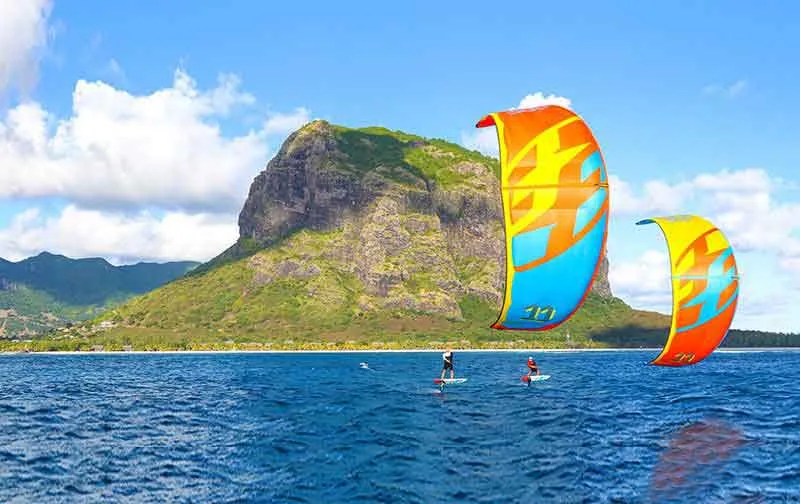
Dolphin Watching in Le Morne: Where the Day Starts at Sea
Before the sun has fully risen above the Black River mountains, the lagoon at Le Morne is already awake. Fishermen launch their pirogues, the reef begins to glow turquoise, and just beyond the drop-off, pods of wild dolphins glide through the warm Indian Ocean. For many travellers, seeing dolphins in Mauritius is the highlight of their stay – and there is no better place to experience it than around the Le Morne peninsula.
This guide walks you through everything you need to know: how a dolphin excursion in Le Morne really works, the best time to go, realistic prices, what to bring, and how to choose an operator that respects the sea wildlife you’ve come to see.
Why Le Morne Is the Best Place to See Dolphins in Mauritius
Mauritius has several dolphin hotspots, but Le Morne is special. The peninsula sits at the south‑west tip of the island, exactly where deep ocean meets calm lagoon. Spinner and bottlenose dolphins follow the outer reef in the early morning, using the area between Tamarin Bay, La Preneuse and Le Morne as a kind of marine highway.
The Local Dolphin Route
Most mornings, boats from the west coast follow a similar route:
- Departure from Le Morne public beach, La Gaulette or Black River between 6:00–7:00
- Short ride across the lagoon towards the reef pass in front of Le Morne Brabant
- Search along the reef line between Le Morne and Tamarin Bay, depending on where the pods are that day
Because Le Morne is closer to the deeper passes, boats here often reach the dolphins faster than from the northern or eastern coasts. That means less time motoring, more time simply watching.
What Species You Might See
The west coast is famous for two main species of sea wildlife:
- Spinner dolphins – slim, elegant and social, known for leaping and spinning out of the water. They usually travel in large pods and move quickly.
- Bottlenose dolphins – larger and more robust, the classic dolphin shape most people recognise. They tend to be calmer and sometimes approach boats curiously.
Both are wild, free and constantly on the move – which is exactly what makes the experience so magical.
What a Typical Dolphin Excursion from Le Morne Looks Like
Every operator is different, but most dolphin excursions in Le Morne follow a similar rhythm. Knowing the flow in advance helps you choose the style that suits you best.
Departure: Before the Island Wakes Up
Time: usually between 6:00 and 7:00 in the morning, depending on the season.
The dolphins are most active just after sunrise, when the sea is generally calmer and there are fewer boats. You’ll usually meet your skipper directly on the sand at Le Morne public beach, or at a small jetty in La Gaulette or Black River.
Expect a short safety briefing, fitting of masks and fins if your tour includes swimming, and then you’re off – a quick glide over glassy water, with Le Morne Brabant turning pink in the first light behind you.
Finding the Dolphins
The search area is surprisingly close. In 15–25 minutes you’ll usually be near the outer reef. Local skippers know the dolphins’ habits – they read the water, scan the horizon for splashes, and often communicate by phone with other boats. Some mornings you find them quickly; other days, it takes patience.
When a pod is spotted, boats will slow down and stay parallel, allowing you to watch from the deck. Ethical operators will not cut across the dolphins’ path or chase them at high speed.
Watching vs. Swimming
Most excursions in Le Morne offer two options:
- Observation only – you stay on the boat, watch and take photos. This is the least intrusive and often surprisingly satisfying, especially when pods are large.
- Observation + in‑water experience – when conditions allow, the skipper positions the boat ahead of the dolphins’ path and invites 2–4 people at a time to slip quietly into the water.
If you choose to get in, it’s important to manage expectations. This is not a theme park; the dolphins are moving, fast. Sometimes you’ll see them clearly passing below you in the blue. Other times they change direction and you only glimpse them from a distance. The most memorable moments are often the unplanned ones – a curious spinner passing close, or the muffled sound of clicks and whistles as the pod communicates.
Snorkelling on the Reef
Many tours finish with a relaxed snorkelling stop on the inner reef or at the famous "Aquarium" spot between Le Morne and La Preneuse. Expect shallow coral gardens, colourful reef fish, and – if you’re lucky – a sea turtle gliding by on the sandy bottom.
Some longer excursions also include a stop at Crystal Rock and a simple beach breakfast or BBQ on Île aux Bénitiers. If you’re more interested in pure dolphin watching and less in the social side, choose a shorter, focused tour.
When to Go: Seasons, Weather and Best Time of Day
Best Time of Year for Dolphins in Mauritius
Dolphins are present year‑round along the west coast of Mauritius, but conditions vary:
- May to November (austral winter) – cooler air, lower humidity, often calmer seas and clearer water. Excellent visibility for spotting dolphins and snorkelling.
- December to April (austral summer) – warmer, more humid, with higher chances of afternoon showers. Mornings at sea are still beautiful, but the lagoon can be choppier on windy days.
The core dolphin season in Le Morne is really all year; what changes most is the comfort level on the boat and in the water.
Best Day of the Week and Time
Time of day: always early morning. By 9:30–10:00, the pods often start moving further offshore, and boat traffic increases.
Days of the week:
- Weekdays – generally fewer boats than on weekends and public holidays.
- Saturday & Sunday – can be busier with both tourists and locals; if you value tranquillity, aim for mid‑week.
Wind matters more than the exact day. The south‑west trade winds usually pick up later in the morning. Your host in Le Morne, or your skipper, will often advise the calmest day during your stay.
How Much Does a Dolphin Excursion in Le Morne Cost?
Prices vary by season, group size and whether the tour is private or shared. The following are realistic ballpark figures for 2024–2025, departing from Le Morne or nearby west‑coast villages.
Shared Boat Excursions
- Basic dolphin watching (2–3 hours): roughly MUR 1,800–2,500 per person (about €35–€50). Includes boat, skipper, life jackets; sometimes drinks and basic snorkelling gear.
- Dolphins + snorkelling + Crystal Rock / Île aux Bénitiers (4–5 hours): around MUR 2,700–3,800 per person (about €55–€75), often with a simple breakfast or BBQ lunch.
Shared tours are sociable and good value, but expect 8–12 guests per boat in high season.
Private Dolphin Excursions
- Private speedboat (2–3 hours): from about MUR 10,000–14,000 per boat for 2–4 guests (roughly €200–€280). Ideal for couples, honeymooners or families wanting flexibility.
- Extended private tour (4–5 hours, with snorkelling and island stop): from MUR 14,000–22,000 (€280–€440), depending on boat size and inclusions.
Private tours allow you to choose your pace – more time simply observing, fewer people in the water at once, and the possibility to adjust the plan if conditions change.
Choosing an Ethical Dolphin Operator
The popularity of dolphins in Mauritius has a downside: some operators still crowd pods or chase them too aggressively. The experience is far better – for you and for the dolphins – when you choose someone who works respectfully.
What to Look For
Before booking, ask a few simple questions:
- Maximum group size? Smaller groups usually mean calmer encounters.
- Do they follow a code of conduct? Many reputable operators in Le Morne and Black River follow guidelines on approach distance, boat speed and time spent with each pod.
- How do they manage swimming with dolphins? Look for operators who limit the number of people in the water at once, avoid jumping directly on top of the pod, and never encourage touching or chasing.
- Do they cancel or postpone if conditions are poor? A responsible skipper will not go out in unsafe seas just to keep a booking.
Trust your instincts. If the conversation feels rushed or focused only on “guarantees”, look elsewhere. Dolphins are wild; no one can honestly promise a perfect encounter every day.
How You Can Help Protect Sea Wildlife
Your own behaviour matters too:
- Keep voices low when near the pod; sudden loud noises can disturb them.
- Enter the water gently – no jumping or splashing.
- Never try to touch or feed dolphins or other sea wildlife.
- Maintain a respectful distance; let them come closer if they choose.
- Use reef‑safe sunscreen to protect the delicate lagoon ecosystem.
When travellers reward ethical operators with their business and reviews, the whole industry shifts in a better direction.
What to Pack for a Dolphin Morning
A dolphin excursion from Le Morne is usually short, but conditions at sea change quickly. Pack light, but smart:
- Swimwear already under your clothes – there’s limited privacy on small boats.
- Light towel or poncho – mornings can feel cool with the sea breeze.
- Reef‑safe sunscreen and a cap or hat – the sun becomes strong even by 8:00.
- Sunglasses with good UV protection – ideally with a strap.
- Waterproof bag for phone, camera and small valuables.
- Motion sickness tablets if you’re prone to seasickness; take them 30–45 minutes before departure.
- Reusable water bottle – some operators provide drinks, but it’s good to have your own.
Most operators supply masks, snorkels and fins, but if you have your own, bring them – a familiar mask can make all the difference when you slip into the blue.
Waking Up by the Lagoon: Staying Close to the Action
The magic of a dolphin excursion in Le Morne starts long before you step on the boat. Because departures are so early, where you stay the night before shapes the whole experience.
Being based right on the Le Morne peninsula means you can wake up, make a quick coffee, and step out with the first light already shimmering on the lagoon. At Kozy Le Morne, a small collection of private villas perched above the bay, guests often watch the boats gliding out from their terrace before joining their own excursion a few minutes later.
Why Location Matters for Dolphin Watching
Staying in or around Le Morne has a few advantages:
- No long transfers at dawn – instead of a 45–60 minute drive from the north, you reach the beach in 5–10 minutes.
- Flexible timing – easier to adjust departure by 15–30 minutes to catch the calmest window.
- Easy to reschedule if wind or rain picks up; you’re already nearby.
Kozy Le Morne’s villas – Sea View Villa, Lagoon View Villa and Island View Studio – all share one indulgence: a 180° panorama of the lagoon and reef. For couples and honeymooners, it’s a rare pleasure to return from the early‑morning dolphin outing, rinse off the salt, and then simply sit with a late breakfast, watching the very stretch of ocean you just explored.
Combining Dolphins with Other West‑Coast Experiences
The south‑west of Mauritius is the island’s outdoor playground. Once your dolphin excursion is over – usually by late morning – you still have the whole day ahead.
Le Morne Beach and Kite Lagoon
After the boat, many travellers head straight to the long white‑sand arc of Le Morne beach. The water here is shallow and calm inside the reef, ideal for a lazy swim or a nap under the filaos trees. On windy days, the famous kite lagoon on the south side of the peninsula comes alive with colourful kites – spectacular to watch, even if you don’t ride.
Hiking Le Morne Brabant
If you still have energy, an afternoon or next‑morning hike up Le Morne Brabant rewards you with sweeping views of the same lagoon where you met the dolphins. The contrast of deep blue passes, pale sandbanks and dark coral heads is even more striking from above.
Exploring More Sea Wildlife
If the dolphin experience awakens your curiosity about sea wildlife, consider:
- Whale watching (seasonal, usually June–October) from Black River, focusing on sperm whales and sometimes humpbacks.
- Snorkelling tours inside the lagoon for turtles and reef fish, gentler and more relaxed than offshore trips.
- Stand‑up paddleboarding in the calm morning lagoon, ideal for quietly observing life on the reef flat.
Many guests choose to spread these activities over a few days, using a villa in Le Morne as a comfortable base between sea adventures.
Practical Tips for Planning Your Dolphin Experience
Booking Ahead (or Not)
In peak season (roughly October–December and March–April), it’s wise to book your dolphin excursion 3–5 days in advance, especially if you want a private boat. Outside these months, 24–48 hours is often enough – and actually helpful, as skippers can better predict the weather.
If you’re staying at Kozy Le Morne or another local villa, ask your host for updated recommendations. They usually know which operators are performing well that season and can help time your outing around the wind and swell.
Children and Non‑Swimmers
Many families want their children to see dolphins in Mauritius, and Le Morne is one of the easier places to do it. A few guidelines:
- Age: most operators accept children from around 4–5 years on shared boats, younger on private charters if the sea is calm.
- Safety: life jackets are provided; ask in advance if you need smaller sizes.
- In the water: if your child is not a confident swimmer, consider staying on the boat and watching; the dolphins are often visible at the surface.
For non‑swimmers, observation‑only tours are still very rewarding. You’re close to the action, and you avoid the stress of getting in and out of the water from a moving boat.
Photography Tips
Dolphins move quickly, and the light changes fast at sunrise. To capture the moment:
- Use burst mode on your phone or camera to increase your chances of catching the perfect leap.
- Keep your shutter speed high (if using a camera) – 1/1000 or faster for jumping dolphins.
- Don’t spend the whole time behind the lens; take a few photos, then simply watch.
Remember: splashes often come just after a jump, so if you see a big splash, keep your lens ready – there may be another leap in the same area.
A Morning You’ll Remember Long After You Leave
There is something quietly humbling about watching wild dolphins cut through the deep blue just beyond the reef. No enclosure, no choreography – just a glimpse into their world as the island slowly wakes up behind you.
For many travellers, this is the memory that lingers when they think of Mauritius: the cool air on their face at dawn, the outline of Le Morne Brabant in the first light, the sudden, effortless arc of a dolphin at the bow. Staying close to the water, with a wide‑open view of the lagoon, simply makes it easier to be there when it happens.
If your idea of luxury is privacy, space and unfiltered connection with the sea, basing yourself in a villa above the bay – such as Kozy Le Morne, with its 180° lagoon views – turns a single excursion into a thread that runs through your entire stay. The ocean is not just where you go in the morning; it’s the backdrop to every moment, from your first coffee to your last sunset.
Suggested Internal Links
- Link to homepage: Discover Kozy Le Morne’s private villas in Le Morne
- Link to reviews page: Read guest stories about dolphin mornings and lagoon views
- Link to booking page: Check availability for your stay in Le Morne, Mauritius
Frequently Asked Questions
Ready to Experience Le Morne?
Book your stay at Kozy Le Morne and discover the magic of Mauritius.
Book Now