Useful Creole phrases in Le Morne: villa life vs hotel stay
Why a few Creole phrases matter more in a villa than in a hotel
In most mauritius hotels you can spend a week speaking only English or French. Staff are trained for that. In Le Morne’s real neighborhoods, a handful of creole phrases Mauritius style opens doors, smiles and often an extra mango. In a private villa like Kozy Le Morne, where you shop, drive and walk locally rather than living inside a resort bubble, those useful words quickly become part of daily life.
Compared to a classic hotel Le Morne stay, villa guests tend to interact more with the fruit seller, the fisherman cleaning his catch or the hikers starting early for Le Morne Brabant. A simple “bonzur” instead of “hello” changes the tone of those encounters.
The local language in Le Morne: what you’ll actually hear
Mauritius has three main languages in everyday use: Creole (most common), French and English. In Le Morne and La Gaulette you’ll mostly hear Mauritian Creole between locals, French in many shops, and English in formal situations. Road signs and official info are usually in English; menus often mix French and English with a few Creole words.
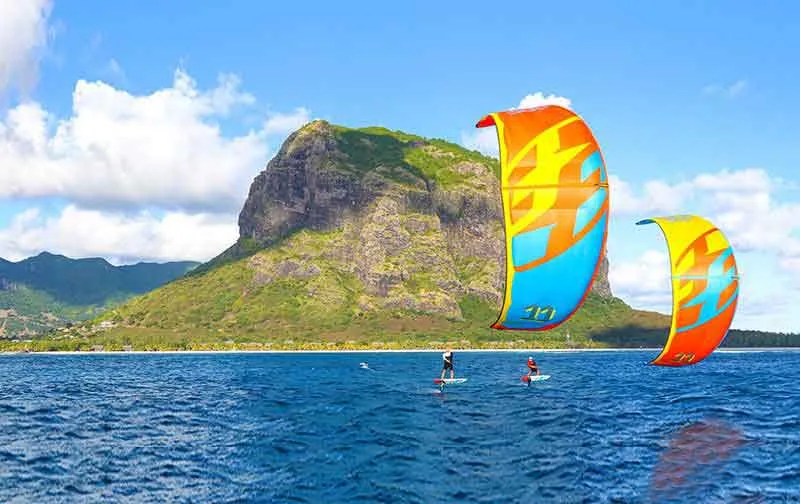
If you stay in a large resort Le Morne side, you might only catch fragments of Creole behind the scenes. From our terraces at Kozy, we hear kids calling to each other in Creole, fishermen talking tides, kite instructors checking the wind – usually 18–25 knots from May to October – all in the local language. Learn a few phrases and suddenly you understand the rhythm around you.
Core useful words: your mini Creole toolkit
Here are simple, useful words you’ll use around Le Morne, from the trail to Le Morne Brabant to the checkout at London Way La Gaulette:
- Bonzur – Hello / good morning (used all day).
- Bonswar – Good evening.
- Mersi – Thank you.
- Silvouplé – Please.
- Ki manyer? – How are you?
- Mo bien, ek ou? – I’m fine, and you?
- Enn lot, silvouplé – One more, please (great for fresh juice or dholl puri).
- Pa tro piman – Not too spicy.
- Ki pri? – What’s the price?
- Mo kontan Moris – I love Mauritius.
Used with a smile, these phrases go a long way in the supermarket, at the beach snack or when you buy fruit on the roadside driving back to your villa.
Villa rhythm vs hotel schedule: when language comes alive
In a resort or big hotel, your contact with Creole is often limited to short, service-based exchanges – breakfast buffet, reception, maybe a tour desk. The rhythm is shaped by set meal times and activity schedules. You don’t really need the local language to function.
In a self-catering villa, your day looks different. You might slip out at 07:00 to London Way La Gaulette (about 4 km / 6–8 minutes’ drive from Le Morne) for fresh bread, ask the shop assistant “Enn baguette, silvouplé”, then chat about the wind forecast. Later you stop by a small stall on the coastal road and ask “Ki pri sa anana-la?” for a pineapple to slice on your terrace.
That’s where villa life and language connect: you’re not just a guest, you’re briefly part of the neighborhood.
Privacy, terraces and talking to the horizon
In many hotels in Le Morne, your sea view is shared: a long balcony, a pool deck, dozens of loungers. You hear other guests’ conversations more than the sound of the lagoon. At Kozy Le Morne’s Sea View Villa and Lagoon View Villa, the view is 180° of lagoon, Ile aux Benitiers and open sea – and it’s yours alone.
Guests often tell us the first thing they remember is stepping onto the terrace, saying nothing for a minute, then whispering “wow” in any language they have. During the windier months, kites and windsurfers streak across the lagoon right in front of you; it feels like your private cinema. No phrasebook needed, but it’s a powerful place to practice “Mo kontan Moris”.
Self-catering: where Creole phrases become practical
Because our villas are fully self-catering, useful Creole phrases become part of everyday logistics:
- Shopping at London Way La Gaulette: greet with “Bonzur”, ask “Kot sekson pwason?” (where is the fish section?) if you’re planning a barbecue dinner at home.
- Buying fish by the road: try “Ki pri enn kilo?” (how much per kilo?) and “Mo pran sa” (I’ll take this one).
- On the Le Morne Brabant trail: when you pass hikers or guides on the path – the hike usually takes 3–4 hours return with breaks – a simple “Bonzur, ki manyer?” always gets a friendly reply.
In a classic resort Le Morne, you’re more likely to say “table for two” than “Mo pou manz isi” (I’ll eat here). Both are fine, but one brings you closer to the island.
Field Note from Kozy – Not ti lotel, enn lakaz
We often hear a similar reflection from guests after a few days: people in the village don’t refer to Kozy as a "ti lotel" (small hotel) but as "enn lakaz" – a house. Guests tell us this changes the way they feel in Le Morne. They’re greeted like neighbors, not like anonymous visitors from a resort corridor.
Several reviews mention the same trio: the terrace view, the quiet setting, and the feeling of having a real home. That “home” feeling is also why we see guests experimenting with Creole more here than they would in hotels in Le Morne – they come back from the bakery proud they managed an entire mini-conversation in the local language.
If you’re curious, you can read more guest impressions here: Kozy Le Morne reviews.
Couples, families and language: which villa fits?
For couples who want intimacy and time to learn a few phrases between sunrise coffees and sunset rum on the terrace, the Island View Studio (max 2 guests, adults only, no children accepted) feels like a private little nest above the lagoon. You can practice “Mo bien, ek ou?” with each other before trying it in town.
Families or two couples usually choose the Sea View Villa or Lagoon View Villa, where children can hear and try out Creole greetings with neighbors and shop staff. Compared to staying in a large resort hotel in Mauritius, families often tell us they feel their kids learn more – not just about the sea and the mountain, but about how people actually live and speak here.
You can see the three villas and live lagoon view here: Kozy Le Morne villas and the Le Morne webcam. To plan dates, check availability directly: Kozy booking.
Small phrases that carry big respect
You don’t need to be fluent to make a difference. Using even two or three Creole words signals respect and curiosity – especially when you stay in a villa among locals rather than in a closed resort circuit. Start every interaction with “Bonzur”, add “Mersi” at the end, and sprinkle “Pa tro piman” if you’re spice-sensitive.
On a clear evening, with Le Morne Brabant turning deep orange and the sun dropping behind Ile aux Benitiers, you may find there’s only one phrase that really fits: “Mo kontan Moris.” Say it out loud on your terrace – the island understands.
Frequently Asked Questions
Ready to Experience Le Morne?
Book your stay at Kozy Le Morne and discover the magic of Mauritius.
Book Now