Mauritius Etiquette in Le Morne: Local Customs & Cultural Tips for a Respectful Stay
Mauritius Etiquette in Le Morne: Why It Matters
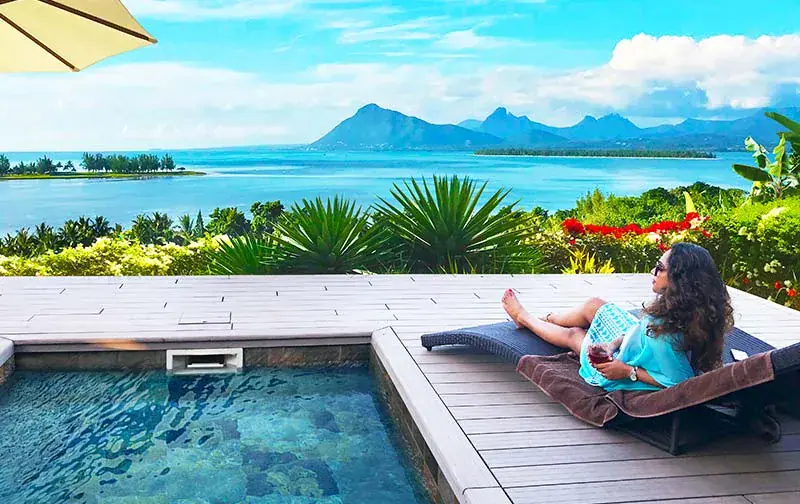
Le Morne is one of the most spectacular corners of Mauritius – a place where dramatic mountain cliffs meet a glassy turquoise lagoon and a quiet fishing village rhythm. To really feel at home here, understanding basic Mauritius etiquette, local customs and a few smart cultural tips makes all the difference.
Unlike large resort areas, Le Morne still feels intimate and local. You’ll share the beach with fishermen at sunrise, hear sega music at family gatherings, and see children in school uniforms walking past five-star resorts and hotels. A bit of cultural awareness turns you from just another visitor into a welcomed guest.
Whether you’re staying in a classic hotel in Le Morne or choosing a more private villa like Kozy Le Morne, these guidelines will help you move through the village, beaches and markets with respect and ease.
1. First Impressions: Greetings & Politeness
Use a Simple “Bonjour” or “Hello”
Mauritians are warm, but also quite polite. A short greeting goes a long way:
- Bonjour – widely used, even later in the day
- Bonsoir – from late afternoon / evening
- Hello / Hi – also perfectly fine, especially with younger people
When you enter a small shop, bakery or market stall around Le Morne, always greet the person before asking a question or checking prices. Walking in silently, grabbing something and leaving feels abrupt here.
How to Address People
As a rule, start more formal and then relax:
- Use Sir or Madam if you don’t know someone’s name.
- For older people, a respectful tone and a small nod or smile are appreciated.
- First names come naturally once you’ve spoken a bit – Mauritians are quick to be friendly.
In local restaurants near Le Morne, a friendly “Merci beaucoup, c’était très bon” when you pay the bill will always spark a smile.
2. Language & Communication: Small Effort, Big Impact
What People Speak in Le Morne
Mauritius is officially bilingual, but in daily life it’s even richer:
- Creole (Kreol) – everyday language, spoken by almost everyone
- French – widely used in media, administration and shops
- English – official language, used in schools and tourism
A few Creole words are a powerful cultural bridge:
- Bonzur – Hello
- Mersi – Thank you
- S’il vous plaît – Please (French, but very common)
- Ki manyer? – How are you?
Even if your pronunciation isn’t perfect, locals appreciate the effort – especially away from big Mauritius hotels where visitors often stick to English only.
Directness vs. Indirectness
One key cultural tip: Mauritians tend to avoid open conflict. You may hear “We’ll see”, “Maybe”, or a soft “Yes” even when the answer is actually no. Don’t push too hard; read tone and body language.
Instead of saying “You’re wrong” or raising your voice, stay calm and polite. A gentle approach usually solves misunderstandings faster – whether you’re negotiating a taxi fare or asking for help in a shop in La Gaulette or Rivière Noire.
3. Dress Code: Beach, Village & Temples
On the Beach & in the Lagoon
Le Morne is famous for kitesurfing, windsurfing and long, wild beaches. Swimwear is totally normal on the beach and in the water. But there are a few points of etiquette:
- No topless sunbathing – generally frowned upon and can offend locals.
- Keep skimpy swimwear for the beach itself, not for the village streets.
- Use a light cover-up or T-shirt when you walk from the car park, bus stop or your villa.
Compared to a large resort in Le Morne, where guests may walk around in swimwear all day, local villages are more conservative. When you step off the sand, dress follows village norms, not resort rules.
In the Village & Local Shops
Le Morne village and nearby communities are relaxed, but modesty is still appreciated:
- Shorts, sundresses and T-shirts are fine.
- Avoid walking around in just a bikini or bare chest away from the beach.
- For evenings out, smart casual is perfect – light dress or linen shirt and shorts/trousers.
If you’re staying at Kozy Le Morne, you’ll likely move between your private terrace, the car and nearby beaches or restaurants like Wapalapam Le Morne. A simple sarong, shirt or kaftan you can throw on keeps you perfectly in line with Mauritius etiquette.
Visiting Temples, Churches & Cemeteries
Mauritius is deeply spiritual. In and around Le Morne, you may see Hindu temples, small chapels and Muslim cemeteries. If you visit any religious site:
- Wear clothing that covers shoulders and knees.
- Remove shoes if you enter a temple building (look for signs or follow others).
- Ask before taking photos, especially of people praying or ceremonies.
As a rule, if locals are dressed modestly in a place, you should be too.
4. Beach Culture & Respect for the Sea
Sharing the Beach with Locals
On weekends and public holidays, families from all over the island come to enjoy the beaches around Le Morne. You’ll see big picnics, loud laughter, kids playing and sometimes music. This is a cherished local tradition.
To fit in comfortably:
- A smile and a nod when you pass a large family group is always welcome.
- Keep music at a reasonable volume so it doesn’t clash with others’ speakers.
- Leave plenty of space if a family has clearly set up a picnic area.
Respecting Nature
The lagoon and coral reef are fragile. Local etiquette is also about protecting the environment:
- Never stand on or break coral, even if it looks like a rock.
- Do not collect coral, shells with living creatures or starfish.
- Take all rubbish back with you – including cigarette butts and bottle caps.
From the terraces of Kozy Le Morne’s Sea View and Lagoon View villas, you’ll see how the light changes over the lagoon throughout the day. That 180° panorama is stunning precisely because this coastline is still relatively unspoiled. Keeping it that way is part of being a respectful guest.
5. Photography Etiquette: People & Sacred Places
Always Ask Before Photographing People
Mauritians are generally open to being photographed, but consent matters:
- Smile, point to your camera and say “Photo, s’il vous plaît?”
- Accept a “no” gracefully – no hard feelings.
- With children, always ask the parent or guardian first.
This is especially important in the fishing village near Le Morne and around local markets, where life is very real and not a performance for tourists.
Be Discreet in Religious & Memorial Sites
At temples, churches, mosques or the UNESCO site of Le Morne Brabant (a powerful symbol of resistance and freedom), keep photography respectful:
- Turn off flash inside sacred spaces.
- Don’t interrupt rituals or block access for worshippers.
- Read signs carefully; some areas may be off-limits for photos.
6. Dining Etiquette & Local Food Culture
Eating Out Around Le Morne
The area offers everything from beach snacks to refined bistro-style cuisine. When you eat in local restaurants, snacks stalls or small eateries:
- It’s fine to pay at the counter in small snack shops; in restaurants, ask for the bill at the table.
- Service is often relaxed – meals are meant to be enjoyed slowly, not rushed.
- Portions can be generous; it’s okay not to finish everything, but avoid obvious waste.
Tipping is appreciated but not aggressively expected. In casual places, rounding up or leaving about 5–10% for good service is a nice gesture. In more upscale restaurants, a similar range is common if service isn’t already included.
Self-Catering with Local Flavours
If you’re staying in a private villa, you’ll likely cook some of your own meals. At Kozy Le Morne, each villa has a fully equipped kitchen, making it easy to bring back fresh fish, vegetables and fruit from nearby shops and markets.
Some etiquette when buying local produce:
- Greet the vendor first, then ask prices.
- It’s fine to compare options, but avoid aggressive haggling – this isn’t a street-bazaar culture.
- Cash is still king in small shops; carry some smaller notes.
Cooking with local ingredients and eating on your own terrace, with 180° views over the lagoon and Île aux Bénitiers, is one of those experiences no hotel in Le Morne can quite replicate – a blend of privacy, freedom and authenticity.
7. Social & Religious Diversity: A Subtle Balance
Many Communities, One Island
Mauritius is proudly multicultural: Hindu, Christian, Muslim, Buddhist and other traditions live side by side. In Le Morne and surrounding villages, you’ll see temples, churches and mosques within short distance of each other.
Some simple local customs to keep in mind:
- Avoid loud debates about politics, religion or ethnicity, especially with people you’ve just met.
- Be mindful of religious holidays when some shops or services may be busier or closed.
- Respect dietary restrictions – not everyone eats beef or pork, for religious reasons.
Alcohol & Public Behaviour
Enjoying a drink is common, but public drunkenness is frowned upon. Around Le Morne, evenings are generally quiet:
- Keep voices low when returning late at night through residential streets.
- Finish drinks before getting into taxis or public buses.
- On the beach, be discreet with alcohol, especially on Sundays and public holidays when many families gather.
In private villas like Kozy Le Morne, you can enjoy a sunset drink on your terrace without worrying about dress codes, bar closing times or crowded hotel lounges – but still remember your neighbours live close by; peaceful evenings are part of local life.
8. Money, Bargaining & Service Etiquette
Paying & Tipping
In Le Morne and nearby villages:
- Cash (Mauritian Rupees) is widely used; larger places also accept cards.
- Taxis often expect cash; agree on the fare before you start.
- Tipping drivers or guides is appreciated if you’re happy with the service.
Unlike some destinations, Mauritius doesn’t operate on aggressive bargaining. You can ask “Can you do a better price?” in markets or for excursions, but always with a smile and a light tone. Pushing too hard feels uncomfortable here.
Respecting Time (With a Bit of Island Flexibility)
Time in Mauritius is a blend of punctuality and island rhythm:
- Tours and activities usually start on time; be ready a few minutes early.
- For casual meetups, a small delay is tolerated – but let people know if you’re really late.
- Restaurants may take longer than you expect if it’s busy; enjoy the slower pace as part of the experience.
9. Transport & Everyday Interactions
On the Road
Local driving habits can feel assertive, but road etiquette still matters:
- Use your horn sparingly – short taps, not long blasts.
- Stop for pedestrians at zebra crossings when you can safely do so.
- Be patient with buses stopping frequently; they’re a lifeline for local communities.
Asking for Directions or Help
People in and around Le Morne are usually happy to help if you’re lost or unsure:
- Start with a greeting, then ask: “Excuse me, can you help me?”
- Don’t be surprised if someone walks a few steps with you to show the way.
- If you’re offered help with bags or surf gear, a smile and “Mersi” is often enough; tipping is optional.
10. Staying in Le Morne: Hotels vs. Villas & Local Connection
How Accommodation Shapes Your Cultural Experience
Where you stay in Le Morne will change how deeply you connect with local life:
- Typical hotels and resorts in Le Morne offer comfort and facilities, but can keep you in a “holiday bubble” with set meal times and standardised experiences.
- Private villas place you in a real neighbourhood, where you’ll see fishermen heading out at dawn, kids going to school and families gathering at sunset.
If you’re curious about Mauritius etiquette and want to live the local rhythm, a villa stay gives you more freedom to explore nearby shops, bakeries, markets and beaches on your own schedule.
Kozy Le Morne: Privacy with a Front-Row Seat to Local Life
Kozy Le Morne is a collection of three private self-catering villas set on the hillside above the lagoon:
- Sea View Villa – ideal for couples or families who want space and a sweeping ocean panorama.
- Lagoon View Villa – perfect for families who dream of waking up to the changing colours of the lagoon.
- Island View Studio – an intimate hideaway for two adults only, designed for couples seeking privacy and romance (children are not accepted in this unit).
All three share Kozy’s signature: a 180° panoramic view that takes in the lagoon, Île aux Bénitiers and the open sea in one uninterrupted sweep. Guests often describe it as “the most beautiful view in Mauritius” – and because you’re in your own villa, it’s yours alone, not shared with a crowded hotel pool deck.
Here, your rhythm is your own: no fixed breakfast hours, no dress codes, no need to book tables. You can shop for fresh ingredients in nearby villages, cook Mauritian-inspired meals in your fully equipped kitchen, and eat on your terrace as the sun sets behind Île aux Bénitiers. It’s a way of travelling that naturally brings you closer to local customs and daily life.
To get a feel for how other guests have experienced both the villas and the local culture, you can read recent reviews here: Kozy Le Morne Reviews.
11. Practical Cultural Tips Before You Arrive
Before Landing in Mauritius
- Learn a few words of French or Creole – even just “Bonzur” and “Mersi”.
- Pack a light scarf or shawl for temple or church visits.
- Bring reef-safe sunscreen to protect the lagoon.
On Your First Day in Le Morne
- Take a slow walk through the village to feel the pace of life.
- Observe how locals dress away from the beach and adjust your outfits accordingly.
- Ask for recommendations – Mauritians love to share their favourite food spots and viewpoints.
If you’re planning your stay and want to combine privacy, luxury and authentic local connection, explore the villas and availability here: Book Kozy Le Morne. You’ll also find more in-depth local insights on the blog: Kozy Le Morne Blog.
12. Living the Spirit of Le Morne
Understanding Mauritius etiquette isn’t about memorising rules; it’s about tuning into the island’s quiet respect – for nature, for ancestors, for each other. In Le Morne, this spirit feels especially strong. The mountain itself is a symbol of freedom and resilience, and the village beneath it still moves to an unhurried, human rhythm.
If you greet people, dress with a touch of modesty away from the beach, treat the lagoon gently and show genuine curiosity for local customs, you’ll find doors – and hearts – opening easily. And when you can retreat to your own villa, step onto a private terrace and watch the sky change colour over the lagoon, you’ll feel not just like a visitor, but like a temporary resident of one of Mauritius’ most magical places.
For more inspiration about staying in Le Morne and embracing its authentic side, start here: Kozy Le Morne – Official Site.
Frequently Asked Questions
Ready to Experience Le Morne?
Book your stay at Kozy Le Morne and discover the magic of Mauritius.
Book Now