Windsurf en Le Morne, Mauricio: Guía completa de spots, temporadas y viento
Por qué Le Morne es un paraíso para el windsurf
Agua turquesa, alisios constantes y olas de clase mundial: si sueñas con navegar en los trópicos, el windsurfing Le Morne en Mauricio debería estar muy arriba en tu lista. La península combina una laguna poco profunda, mar de fondo y famosos arrecifes en la costa suroeste, todo bajo la silueta del Morne Brabant.
A diferencia de muchos hoteles en Mauricio situados en zonas más tranquilas, Le Morne está prácticamente diseñado para los deportes de viento. El arrecife crea un parque natural con áreas separadas para principiantes, freeriders y amantes de las olas, todas a pocos cientos de metros entre sí.
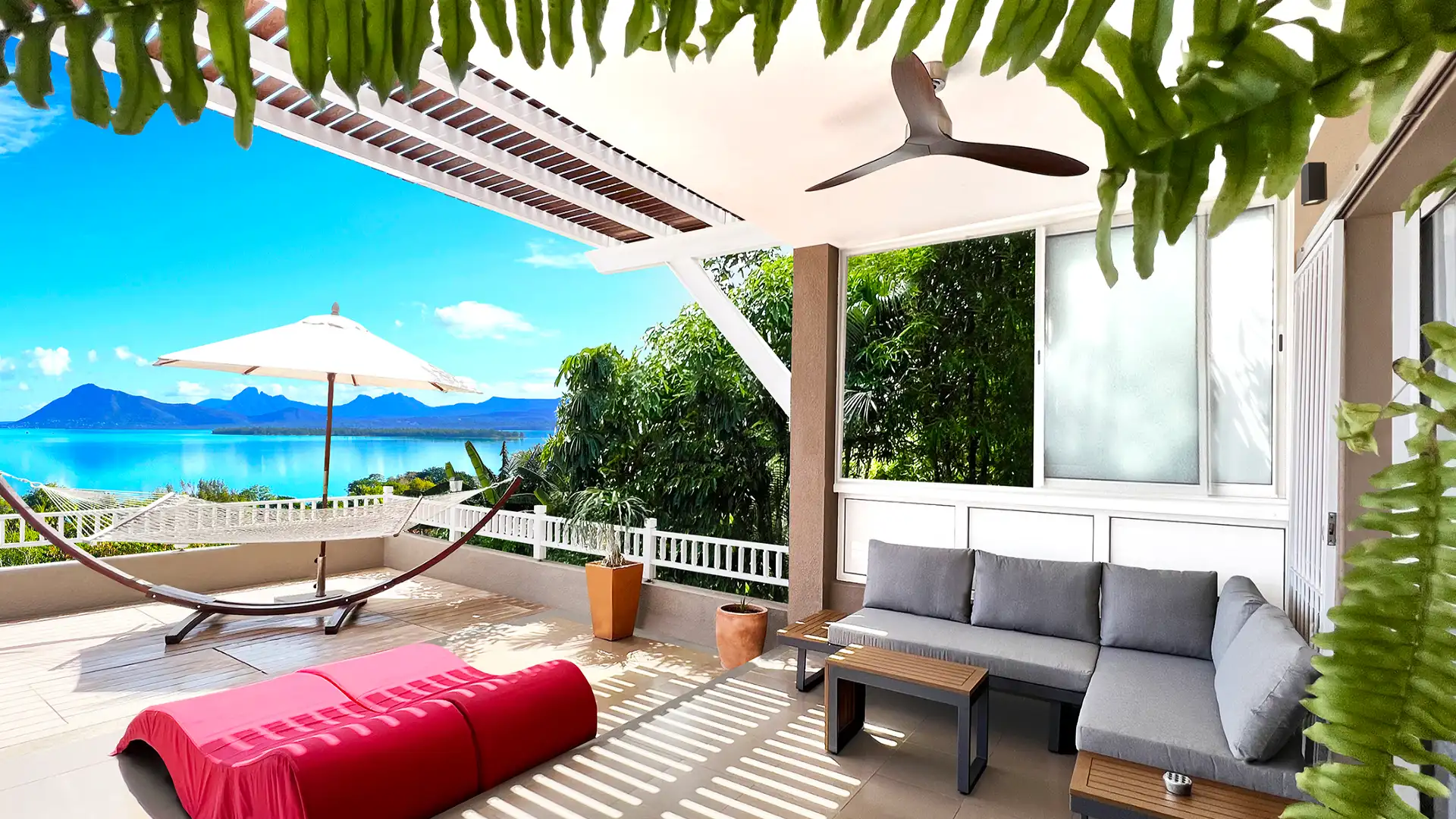
Y al final del día, nada se compara con ver la puesta de sol sobre la laguna desde tu propia terraza privada, en lugar de hacerlo desde un bar de resort abarrotado.
Wind conditions Mauritius: mejor época para viajar
El suroeste de Mauricio disfruta de alisios muy fiables. Conocer las wind conditions Mauritius típicas te ayuda a elegir bien las fechas.
Temporada principal (mayo – octubre)
- Dirección: alisios del sureste.
- Intensidad: 18–30 nudos la mayoría de los días, con picos en julio y agosto.
- Temperatura del agua: 22–24 °C; muchos navegan con shorty.
- Ambiente: máxima temporada de windsurf en Le Morne; animado, pero sin las aglomeraciones de muchas playas europeas.
En este periodo, el viento suele soplar de side-shore a side-off por babor en la laguna principal, perfecto tanto para freeride como para ola en el arrecife.
Temporada intermedia (noviembre – abril)
- Dirección: más variable; a menudo brisas ligeras del sureste o este.
- Intensidad: 12–20 nudos, a veces reforzados por térmicas por la tarde.
- Temperatura del agua: 26–28 °C; normalmente bastan lycra y bañador.
- Ambiente: más tranquilo en el agua, con una mezcla de días ventosos y jornadas de vidrio total ideales para SUP o snorkel.
Los wave riders a veces disfrutan de muy buenos swells en esta época, cuando las borrascas del sur del Índico envían mar de fondo al arrecife. Simplemente recuerda que el viento es menos predecible que en la temporada de alisios fuertes.
Los principales spots de windsurf en Le Morne
La magia de Le Morne está en cómo el arrecife crea varias zonas distintas, todas con salida desde la misma franja de playa. Así, un grupo de diferentes niveles puede compartir el día, pero cada uno en su propio terreno.
La laguna: zona de agua plana
Dentro del arrecife exterior hay una gran laguna turquesa, generalmente plana o con poco choppy. Aquí se concentran muchas escuelas y la mayoría de freeriders.
- Ideal para: principiantes, nivel intermedio, freeride y freestyle.
- Profundidad: normalmente hasta la cintura o el pecho en la parte interior, más profundo hacia el arrecife.
- Peligros: cabezas de coral aisladas y zonas poco profundas; al principio se recomiendan escarpines.
En días de alisio fuerte, la laguna se convierte en una pista de slalom perfecta, con el Morne Brabant como telón de fondo.
Manawa: olas largas y suaves
Manawa es el arrecife exterior al suroeste del punto de salida principal. Es conocido por sus olas grandes pero lentas, que rompen sobre agua relativamente profunda.
- Nivel: intermedio a avanzado en olas.
- Características: paredes largas y nobles; mucho tiempo para colocar bottom turns y cutbacks; menos crítico que otros arrecifes.
- Acceso: unos 10–15 minutos de largo o través desde la laguna, según viento y equipo.
Para muchos, Manawa es el primer spot de arrecife después de la laguna. Un lugar ideal para aprender a leer la ola sin tanta presión.
One Eye: la leyenda
Ninguna guía estaría completa sin mencionar el One Eye spot. Esta ola de fama mundial, que rompe sobre un arrecife afilado y poco profundo, es tan hermosa como exigente.
- Nivel: sólo expertos. Experiencia sólida en olas rápidas de arrecife es imprescindible.
- Ola: izquierda muy rápida y potente, con una sección hueca que da nombre al spot.
- Condiciones: mejor con buen swell del sur o suroeste y fuerte viento del sureste.
- Riesgos: arrecife poco profundo, corrientes, lavadoras potentes y larga natación si rompes material.
One Eye no es un lugar para “probar a ver qué tal”. Es un objetivo al que se llega paso a paso, idealmente con guía local y sólo cuando te sientes totalmente cómodo en Manawa y en otros arrecifes serios. Muchos se conforman con mirar desde el canal — y el espectáculo merece la pena.
Material, alquiler y clases
A lo largo de la playa de Le Morne hay varios centros consolidados de windsurf y kitesurf con material moderno y servicios de rescate. A diferencia de un hotel en Le Morne típico, donde dependes de un solo centro náutico, aquí puedes escoger la escuela que mejor encaje contigo.
Qué llevar en el quiver
- Velas: en la temporada fuerte muchos navegan con 4.0–5.3 m²; en los meses intermedios, 5.0–6.5 m².
- Tablas: 80–100 litros para wave/freemove; 100–120 litros para riders más pesados o viento flojo.
- Protección: escarpines, lycra de manga larga o top de neopreno fino, crema solar alta. Casco y chaleco de impacto son muy recomendables en el arrecife.
Si no quieres viajar con material, puedes alquilar equipos completos por horas, días o semanas. La mayoría de centros ofrecen lancha de rescate, algo muy tranquilizador cuando sales al arrecife exterior por primera vez.
Alojamiento en Le Morne: villas con libertad vs hoteles
Mucha gente empieza buscando un hotel Le Morne a pie de playa, imaginando el resort clásico. Los resorts y hoteles ofrecen comodidad, buffets y piscinas animadas, pero también horarios fijos, códigos de vestimenta y bastante ruido.
Si tu idea de viaje perfecto de windsurf incluye espacio, privacidad y la sensación de tener tu propio hogar frente al mar, una villa privada cambia por completo la experiencia.
Kozy Le Morne: villas privadas sobre la laguna
Kozy Le Morne está situado en la ladera sobre la península y reúne tres villas independientes para quienes valoran tanto el viento como la libertad. Desde aquí se disfruta de una panorámica de 180° sobre la laguna, Île aux Bénitiers y el océano abierto, una vista que ningún resort Le Morne puede ofrecer porque ningún hotel ocupa esta posición elevada.
- Sea View Villa & Lagoon View Villa: ideales para parejas, grupos de amigos o familias; amplias terrazas privadas, cocinas totalmente equipadas y espacio para secar y guardar el equipo.
- Island View Studio: refugio íntimo para dos, perfecto para parejas después de jornadas intensas en el agua (sólo adultos, no se aceptan niños).
Comparado con los resorts de Le Morne, alojarse en Kozy significa no tener que compartir pasillos ruidosos ni pelear por una hamaca, y no depender de horarios de desayuno. Tú compras pescado fresco, fruta y especias mauricianas en los mercados cercanos y decides cuándo y cómo comer, siempre con la laguna a tus pies.
La playa de salida está a pocos minutos en coche, lo que te permite adaptar tu día a las wind conditions Mauritius: bajar cuando entra el viento, volver a tu terraza cuando cae y ver cómo el sol tiñe de dorado el arrecife.
Puedes ver fotos y más detalles en la página principal de Kozy Le Morne, comprobar disponibilidad en la sección de reservas y leer experiencias reales de otros huéspedes aquí: opiniones Kozy Le Morne.
Consejos prácticos para tu viaje de windsurf
Cómo llegar
- Aeropuerto: Aeropuerto Internacional Sir Seewoosagur Ramgoolam (MRU), a 1–1,5 horas en coche.
- Transporte: se recomienda alquilar coche para moverte entre la villa, la playa y otros rincones de la isla en días de poco viento.
En la playa
- Mareas: influyen en la profundidad sobre el arrecife y en partes de la laguna. Especialmente importante si no tienes experiencia en arrecifes.
- Zonas: normalmente hay áreas separadas para kite y windsurf. Respeta la señalización y las indicaciones de las escuelas.
- Sol e hidratación: el sol mauriciano es intenso todo el año. Usa lycra, gorra en la arena y bebe mucha agua.
Días de poco viento
Incluso en temporada, habrá días más flojos. En Le Morne son la excusa perfecta para:
- subir parte del Morne Brabant y disfrutar de vistas increíbles sobre toda la laguna;
- salir en SUP o hacer snorkel en el arrecife;
- probar la cocina creativa de Wapalapam Le Morne, a pocos pasos de Kozy.
Planifica la sesión de tu vida
Windsurfing Le Morne es mucho más que tachar un spot famoso de tu lista. Es entrar en el ritmo de los alisios, deslizarte sobre una laguna luminosa y volver por la tarde a un espacio privado donde revivir cada ola con calma.
Ya sea para enfrentarte a One Eye, progresar en Manawa o simplemente navegar por la laguna con tu pareja o familia, combinar las excepcionales wind conditions Mauritius con una villa como Kozy Le Morne convierte un buen viaje en una experiencia que querrás repetir.
Descubre más consejos e inspiración en el blog de Kozy Le Morne, mira el parte de viento y empieza a imaginar tu próxima sesión bajo los alisios de Le Morne.
Preguntas Frecuentes
Ready to Experience Le Morne?
Book your stay at Kozy Le Morne and discover the magic of Mauritius.
Book Now