A Quiet Morning with a Rare Stamp: Visiting the Blue Penny Museum
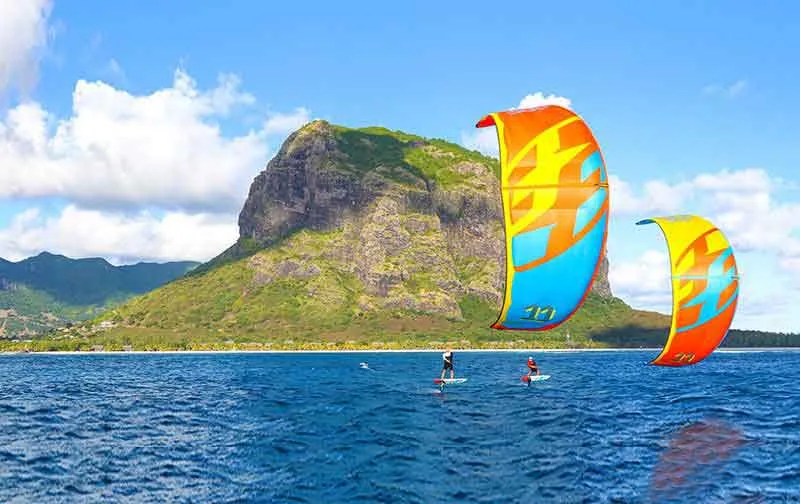
Field Note from Kozy: From Wide Horizon to Tiny Treasure
Some mornings at Kozy Le Morne we watch guests linger on the terrace, coffee in hand, eyes fixed on the 180° sweep of lagoon, Île aux Bénitiers and open sea. A day or two later they return from Port Louis describing something completely opposite in scale: a tiny rare stamp in the Blue Penny Museum that somehow holds the whole island’s story. That contrast — vast horizon, miniature treasure — is one of the quiet pleasures of staying in Le Morne and exploring Mauritius beyond the beach.
Why the Blue Penny Museum Belongs in a Le Morne Itinerary
The Blue Penny Museum sits at the Caudan Waterfront in Port Louis, about 50 km from Le Morne. By car, it usually takes 1 h 15 min to 1 h 30 min depending on traffic along the M1 motorway. From our side of the island it works best as a planned day trip rather than a spontaneous detour after the beach.
The museum is famous for its two Mauritius “Post Office” stamps from 1847, including the legendary blue two-pence – one of the world’s most coveted rare stamp issues. The originals are only lit for about 10 minutes on the hour to protect them, so timing your visit matters. Around those few minutes, the rest of the collection quietly fills in the island’s history: old maps, ship models, letters, engravings and early views of Port Louis harbour.
Planning Your Day: Timing, Tickets and Simple Logistics
The Blue Penny Museum is usually open Monday to Saturday from 10:00 to 17:00, with last entry around 16:30 (always check current times before you go, as they can change on public holidays). Most guests tell us they spend 60–90 minutes inside, which leaves plenty of time to wander Caudan Waterfront afterwards.
From Le Morne, aim to leave between 08:00 and 08:30. That typically puts you in Port Louis before the late-morning congestion builds and gives you a chance to catch at least one or two of the hourly light-up moments for the stamps. Parking is available in Caudan’s multi-storey car parks, usually a 3–5 minute walk from the museum entrance.
Inside the Museum: More Than a Rare Stamp
People come for the rare stamp and often stay longer than planned. The ground floor introduces the story of Mauritius through early explorers and trading routes across the Indian Ocean. You’ll see 18th and 19th century maps, many drawn when Port Louis was a vital stop on the way to India and the East Indies. Some of these charts record depths in fathoms, others sketch out the wind patterns that still shape our trade winds in Le Morne today.
Upstairs, the focus tightens on the island’s postal history and the famous 1847 “Post Office” stamps. Short captions explain how a tiny misprint and a limited print run turned an everyday object into one of the world’s most valuable philatelic items. The originals are kept in a dimly lit chamber; when the protective blinds lift on the hour, the room softens into a hush that feels almost like a miniature ceremony.
Beyond philately, there are detailed models of Port Louis as it grew around the harbour, plus engravings that show Caudan long before today’s shops and cafés. It’s a compact museum, but there is enough depth for history lovers to happily spend two hours reading.
Combining the Blue Penny Museum with Caudan Waterfront and Beyond
Because the museum is inside the Caudan Waterfront complex, it’s easy to turn your visit into a gentle urban day. After the exhibits, step out to the harbour promenade for a completely different mood to Le Morne’s quiet shores. You can walk 500–700 metres along the quay, watch container ships manoeuvre in and out, and browse local craft stalls and bookshops under the colourful umbrella canopy.
Lunch is simple here: Caudan has several cafés and restaurants facing the water. Many guests like to eat after the museum, then stroll another 15–20 minutes into central Port Louis to see the old market halls and the colonial-era façades around Place d’Armes. If you enjoy contrasts, the shift from our calm lagoon to the capital’s busy streets in a single morning feels like two different islands in one day.
For those keen on the sea as much as history, we often see guests pair this urban day with a lagoon day before or after: a boat trip from Le Morne to Crystal Rock and around Île aux Bénitiers, usually 3–4 hours on the water. One day you’re studying a rare stamp under soft museum light; the next you’re snorkelling in 26–28°C water and watching sunlight break across the reef.
Staying in Le Morne: Hotel vs Villa When You Add a Port Louis Day
Many travellers first search for a hotel Le Morne or scroll through lists of resorts in Le Morne before realising how different it feels to come back to a private villa after a day in the capital. Unlike typical hotels in Le Morne, our three self-catering villas at Kozy Le Morne give you a real home base with space to decompress after the city.
The Sea View Villa and Lagoon View Villa both have private terraces facing the lagoon, with kitchens where you can prepare a simple dinner after your Port Louis excursion instead of dressing up for a resort buffet. Several guests tell us the first thing they do when they return from the Blue Penny Museum is pour a drink, sit on the terrace and watch the light fade over Île aux Bénitiers — a calm opposite to the bustle of Caudan.
For couples who like the idea of a museum-and-lagoon pairing, the Island View Studio is an intimate option for two adults only (children are not accepted). Compared to hotel accommodation, you’re not tied to breakfast times or dress codes; you simply come and go on your own rhythm, with Port Louis as a planned day trip and Le Morne as your quiet base. If you’re comparing hotel Mauritius options or browsing Le Morne resorts, our villas are a different kind of luxury: privacy, freedom and that 180° panorama you won’t find from any resort corridor.
You can explore our three villas here: Kozy Le Morne villas, and read how guests describe the view and the host warmth in their own words: guest reviews.
A Quiet Bridge Back to the Lagoon
There’s something satisfying about letting your day shrink from the scale of a capital city to the size of a stamp, then widen again to the horizon line from your terrace in Le Morne. Port Louis and the Blue Penny Museum give you context: how this small island connected to the rest of the world, how a rare stamp became a symbol of Mauritius far beyond its shores.
Back at Kozy Le Morne, the history lessons fall away and you’re left with the simple present: the wind softening in the late afternoon, the lagoon turning silver, the outline of Crystal Rock in the distance. If you’re planning a stay in Le Morne and want both the capital’s culture and the quiet of a private villa, you can check availability or browse more local ideas in our Le Morne guides before you decide.
Frequently Asked Questions
Ready to Experience Le Morne?
Book your stay at Kozy Le Morne and discover the magic of Mauritius.
Book Now